9 Things You Should Know About the Council of Trent
Yesterday (4 December) marked the 450th anniversary of the closing of the Council of Trent (1545-1563), one of the most significant series of meetings in Christian history. Here are nine things evangelicals should know about the Council and the decrees that it issued:
 1. The Council of Trent was the most important movement of the Catholic Counter-Reformation, the Catholic Church’s first significant reply to the growing Protestants Reformation. The primary purpose of the council was tocondemn and refute the beliefs of the Protestants, such as Martin Luther and John Calvin, and also to make the set of beliefs in Catholicism even clearer.Approximately forty clergymen, mainly Catholic bishops, were in attendance during the twenty-five times over the next eighteen years that the Council convened.
2. Protestants endorse justification by faith alone (sola fide) apart from anything (including good works), a position the Catholic Church condemned as heresy. During the the sixth session, the Council issued a decree saying that, „If any one saith, that the justice received is not preserved and also increased before God through good works; but that the said works are merely the fruits and signs of Justification obtained, but not a cause of the increase thereof; let him be anathema.”
3. The Protestant Reformers rejected the Apocrypha as part of the biblical canon. (The term Apocrypha (Gr., hidden) is a collection of ancient Jewish writings and is the title given to these books, which were written between 300 and 30 B.C., in the era between the Old and New Testaments.) During the the fourth session, the Council issued a decreedamning anyone who rejected these books:
. . . if any one receive not, as sacred and canonical, the said books entire with all their parts, as they have been used to be read in the Catholic Church, and as they are contained in the old Latin vulgate edition; and knowingly and deliberately contemn the traditions aforesaid; let him be anathema.
Many doctrines unique to Catholicism, such as the teachings of purgatory, prayers for the dead, and salvation by works, are found in these books.
4. During the Protestant Reformation, the doctrine of transubstantiation was heavily criticized as an Aristotelian „pseudophilosophy.” The 13th session reaffirmed and defined transubstantiation as „that wonderful and singular conversion of the whole substance of the bread into the Body, and of the whole substance of the wine into the Blood – the species only of the bread and wine remaining – which conversion indeed the Catholic Church most aptly calls Transubstantiation.”
5. Protestants claimed that the only source and norm for the Christian faith was Holy Scripture (the canonical Bible without the Apocrypha). The doctrine of Sola Scripturawas rejected at Trent. The Council affirmed two sources of special revelation: Holy Scripture (e.g., all the books included in the Latin Vulgate version) and traditions of the church (including the „unwritten traditions”).
6. In Catholic theology, an indulgence is a remission of temporal punishment due to sin, the guilt of which has been forgiven. Under Catholic teaching, every sin must be purifiedeither here on earth or after death in a state called purgatory. The selling of indulgences was not part of official Catholic teaching, though in Martin Luther’s era, the practice had become common. (Luther was appalled by the sermon of an indulgence vendor named John Tetzel who said, „As soon as the coin in the coffer rings, the soul from purgatory springs.”) The Council called for the reform of the practice, yet damned those who „say that indulgences are useless or that the Church does not have the power to grant them.”
7. In Catholic theology, purgatory is a place or condition of temporal punishment for those who denied yet were not free from „venial” sins (a lesser sin that does not result in a complete separation from God and eternal damnation in hell). The council affirmed the doctrine of purgatory and damned anyone who claimed „that after the grace of justification has been received the guilt is so remitted and the debt of eternal punishment so blotted out for any repentant sinner, that no debt of temporal punishment remains to be paid.”
8. In the 24 session, the council issued decrees on marriage which affirmed the excellence of celibacy, condemned concubinage, and made the validity of marriage dependent upon the wedding taking place before a priest and two witnesses. In the case of a divorce, the right of the innocent party to marry again was denied so long as the other party was alive, even if the other party had committed adultery.
9. At the request of Pope Gregory XIII, the Council approved a plan to correct the errors to the Julian calendar that would allow for a more consistent and accurate scheduling of the feast of Easter. The reform included reducing the number of leap years in four centuries from 100 to 97. Although Protestant countries in Europe initially refused to adopt the „Gregorian calendar” (also known as the Western or Christian calendar), it eventually became the most widely accepted and used civil calendar in the world.
(Note: The declarations and anathemas of the Council of Trent have never been revoked. The decrees of the Council of Trent are confirmed by both the Second Vatican Council (1962-1965) and the official „Catechism of the Catholic Church” (1992).)
Partajează asta:

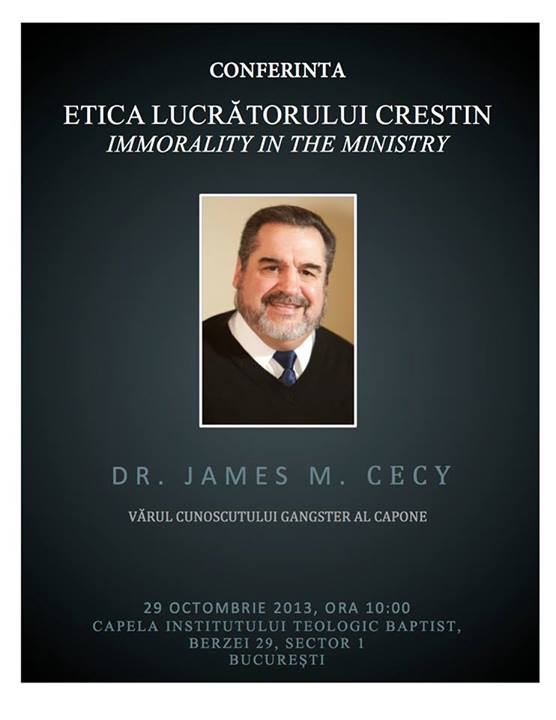

Stephen Etches, Christian Doctrine – Ro
Cu permisiunea autorului pun la dispoziția celor interesați o carte despre doctrinele creștine. Cartea poate fi descărcată și distribuită de către cei interesați printr-un click pe imaginea de mai jos.
Traducerea și adaptarea teologică a textului pentru limba română : Costel &Cristina Ghioancă
Partajează asta:

Relația dintre Evanghelie și cultură
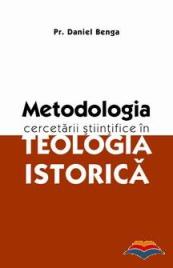
Printre interesele mele se numără și aspectele legate de metodologia cercetării și a realizării unei lucrări științifice. La recomandarea bunului meu prieten, Dragoș Predescu, am cumpărat cu ceva timp în urmă și citit cartea părintelui profesor Daniel Benga, Metodologia cercetării științifice în Teologia istorică, Editura Sofia, București, 2005, 224 pagini. Recomand această lucrare tuturor celor interesați de tema amintită mai sus și în mod particular de teologia istorică.
Revenind de curând asupra textului am revăzut o însemnare care m-a ajutat să înțeleg mai clar faptul că între Evanghelie și cultură există o relație de interdependență. Profesorul Daniel Benga menționa că „între Evanghelie și cultură există o dialectică. Cultura nu poate rămâne în afara Evangheliei deoarece nu are sens în ea însăși, chiar dacă uneori poate exprima unele adevăruri cu privire la spiritul uman. Evanghelia este singura care poate transfigura cultura. La rândul ei, Evanghelia nu poate ajunge la persoanele umane decât prin intermediul culturii, avându-se în vedere contextul cultural specific fiecărui neam. Altfel spus, cultura fără Evanghelie rămâne pe pământ, iar Evanghelia fără cultură nu poate fi comunicată oamenilor.”
Partajează asta:

Recomandări editoriale (6) – Pr. Daniel Benga, Metodologia cercetării științifice în teologia istorică

Pe coperta 4 stau scrise următoarele: „Aceasta lucrare de metodologie încearcă să descrie, într-un mod sistematic, principalele norme și principii după care ar trebui sa se desfășoare cercetarea științifică în teologie. Deși se limitează la prezentarea criteriilor de cercetare în cadrul teologiei istorice, principiile enunțate pot fi utilizate cu succes atât în cadrul celorlalte discipline teologice, cât și în sfera științelor umaniste.
Normele metodice devin azi cu atât mai utile, cu cât trăim într-o lume aflată într-o rapidă schimbare și evoluție științifică și tehnologică, în care teologia este provocată din ce în ce mai des sper a-și prezenta punctul de vedere. Numai asimilarea și actualizarea creatoare a cunoștințelor dobândite în cadrul studiului teologiei vor permite tinerelor generații de teologi să-și facă vocea auzită în contextul lumii moderne.”
Părintele Daniel Benga a mai publicat în anul 2003 la Editura Sofia lucrarea Mari reformatori luterani și Biserica Ortodoxă. Contribuții la tipologia relațiilor luterano-ortoxe din secolul al XVI -lea.
Partajează asta:

București: Conferința Lucrătorilor Evanghelici din România și Europa de Est
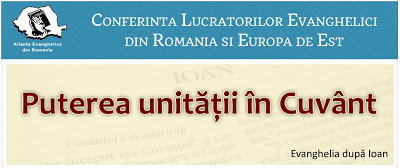
Alianța Evanghelică din România vă invită la Conferința Lucrătorilor Evanghelici din Romania și Europa de Est, cu tema Puterea Unității în Cuvânt, care va avea loc în București, în zilele de 18-19 iunie 2013. Cu această ocazie se va lansa proiectul Coaliția Evanghelica, ce va promova parteneriate și evenimente între biserici evanghelice din Romania, Europa de Est și SUA.
Credem din toată inima ca biserica trăiește vremuri în care resursele de orice fel pe care Domnul le-a așezat în Trupul Sau trebuie aduse laolaltă în unitate pentru a putea face lucrarea lui Dumnezeu cât mai eficient. Conform rugăciunii Domnului Isus din Ioan 17:21, unitatea credincioșilor este unul dintre semnele cele mai importante care îi vor determina pe oameni să creadă în lucrarea Lui mântuitoare.
Scopul acestei conferințe este de a realiza un parteneriat pentru o perioada lungă de timp cu biserici aflate în Coaliția de Biserici Evanghelice din SUA. Acest parteneriat va fi realizat în spiritul temei propuse și dezbătute, respectiv a puterii pe care o câștigam prin unitatea în Cuvânt.
Începând cu data conferinței, bisericile încadrate în coaliția din Romania, Europa de Est și SUA vor studia în paralel teme comune din Evanghelia după Ioan, cu scopul de a sublinia aspectul important al unității noastre bazate pe Cuvântul lui Dumnezeu.
http://www.coalitiaevanghelica.ro via http://emyradut.blogspot.ro
Program
Marti, 18 iunie
- 7,30 – 9,00 Inscriere pe baza unei contributii: 15 lei pentru documentele conferintei si separat 25 lei pentru masa de pranz din cele 2 zile
- 9.00 – 13.00 Sesiuni de lucru (cu pauza de cafea si partasie)
- 13.00 – 14.00 Pauza de masa
- 14.00 – 17.00 Sesiunile de dupa amiaza (cu pauza de cafea si partasie)
Miercuri, 19 iunie
- 9.00 – 13.00 Sesiuni de lucru (cu pauza de cafea si partasie)
- 13.00 – 14.00 Pauza de masa
- 14.00 – 17.00 Sesiunile de dupa amiaza (cu pauza de cafea si partasie)
Între orele 19.00 – 20.30 va avea loc un program special de evanghelizare la Sala Palatului.
Partajează asta:

Facultatea de Teologie Baptistă din București are pagină de facebook

Facultatea de Teologie Baptistă din cadrul Universității din București are pagină de Facebook.
Cei interesați o pot accesa la adresa de mai jos.
https://www.facebook.com/FacultateaDeTeologieBaptista
Partajează asta:

Timothy George about the magisterial Reformers
The magisterial Reformers* both taught the faith and preached it.
Exactly. There was a symbiotic relationship between what they preached and what they wrote in their commentaries. The Reformation was a preaching movement. They did what they did to advance the proclamation of the Word of God.
–––––––––-
The Magisterial Reformation is a phrase that „draws attention to the manner in which the Lutheran and Calvinist reformers related to secular authorities, such as princes, magistrates, or city councils”, i.e. „the magistracy”.[1] While the Radical Reformation rejected any secular authority over the Church, the Magisterial Reformation argued for the interdependence of the church and secular authorities, i.e. „The magistrate had a right to authority within the church, just as the church could rely on the authority of the magistrate to enforce discipline, suppress heresy, or maintain order.”[1]
In addition, the term magister relates to the emphasis on authoritative teachers. Often this is seen in the names of theological schools descending from magisterial reformers (I.E. Lutheran, Calvinist, Zwinglian, etc.)[2]
The magisterial reformation stands in contrast to the radical reformation, which denied that civil authorities had any place or authority within the Church.[3]
References
- ^ a b McGrath, Alister (1998), Historical Theology, Oxford: Blackwell Publishers, p. 159, ISBN 0631208437
- ^ Gstohl, Mark (2004), The Magisterial Reformation, retrieved 2012-11-17
- ^ Saint-Clair, Geoffrey (2001), Who’s Who in the Reformation, The Radical Reformation, retrieved 2012-11-17