Maxima zilei – 20 iulie 2013
A citi fără să gândești este ca și cum ai mânca fără să digeri
Edmund Burke
Partajează asta:

Maxima zilei – 8 iulie 2013
Cei ce topesc multe lumânări în citirea cărților, tocesc vederea ochilor trupului; dar cei ce n-au căutat niciodată pe slove, măcar că și-au păzit mai ascuțită vederea ochilor, însă neștiința i-a vârât în întuneric și în tartarul necunoștinței.
Dimitrie Cantemir
Partajează asta:

Bisericile Creștine Baptiste din Romania între persecuție, acomodare și rezistență (1948-1965) (eBook)
Am fost anunțat de către editura Cetatea de Scaun că pe 24 iunie 2013 a apărut cartea Bisericile Creștine Baptiste din România între persecuție, acomodare și rezistență (1948-1965) în format eBook (pdf).
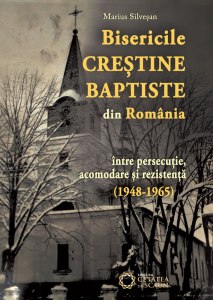 Cartea costă 30 lei fiind disponibilă pe site-ul Elefant.ro. După descărcare cartea poate fi instalată pe șase dispozitive diferite.
Produs publicat în 2013 la Cetatea de Scaun
Data apariției: Iunie 2013
Colecția Istorie
ISBN PDF: 978-606-537-184-2 30,00 lei
Formate: PDF (Adobe DRM)
Drepturi utilizare: 6 dispozitive
Compatibil cu: PC/Mac, iPad/iPhone, Android, Nook, Sony, Trekstor (afla mai multe)
Partajează asta:

Alexandru Filip Popovici, Revolta împotriva neputinței și Evanghelia
Revolta împotriva neputinței se manifestă prin aducerea sinelui înaintea tuturor lucrurilor. Aceasta se întâmplă  deoarece „românii sunt nestatornici, impulsivi, brutali”, „sunt recunoscători pentru binele ce li se face, dar și foarte răzbunători când sunt jigniți” dar mai ales, „ei nu se supun decât propriei nevoi de a reacționa imediat”. Atunci când apare această raportare la sine, atunci omul este cel mai liber și totuși cel mai legat. Atunci este cel mai puternic și totuși cel mai slab. Atunci mândria lui țipă tot mai tare și totuși se aude încet. Istoria are un anumit grad de recurență, prin urmare, nu mai avem nevoie de demonstrații empirice. Ce a fost va mai fi. Faptele observate astăzi în societate își strigă propria demonstrație. Poporul român, cel descris de alții deunăzi, este același astăzi.
Atunci când „celălalt există doar ca sursă pentru hrănirea puterii” asistăm indirect la o relativizare a valorilor tradiționale. Lucrul aceste se întâmplă deoarece omului contemporan nu îi mai place tradiționalismul. Omul contemporan este rupt de trecut. Pentru el semnificația este dată de ceea ce nici nu a ajuns încă să fie – viitorul – potențialitatea. Omul contemporan este mereu omul viitorului, pentru că atunci când „trăiești raportându-te la infinit nu te poți compara cu nimeni”, iar faptul acesta conferă controlul asupra neputinței. Revolta împotriva neputinței naște ironie. Ironie întrucât neputința regăsită în sine este proiectată celorlalți, iar „celălalt există doar ca sursă pentru hrănirea puterii sale”.
Cum integrăm Evanghelia în contextul acesta? În modul cel mai simplu. Cuvântul ne spune că „Fiul omului a venit să caute și să mântuiască ce era pierdut”. În acest „ce era pierdut” suntem noi. Omul contemporan își poate da cu ușurință seama că s-a pierdut. Că nu vrea s-o recunoască – în aceasta stă revolta împotriva neputinței sale, iar tocmai în această pierzanie a sa intervine Evanghelia. Drama omului modern este drama lui Toma. Pentru câteva momente Toma se pierde – „dacă nu voi vedea în mâinile Lui semnul cuielor și dacă nu voi pune degetul meu în semnul cuielor și dacă nu voi pune mâna mea în coasta Lui, nu voi crede” (Ioan 20:25). Pe cât de categoric ne răsună în minte atunci când citim declarația sa, pe atât de liniștit sună invitația Domnului Isus: „adu-ți degetul încoace și uită-te la mâinile Mele și adu-ți mâna și pune-o în coasta Mea; și nu fi necredincios, ci credincios.” Cuvintele solicită acțiune. Poporul nostru s-a pierdut în declarații; a pierdut acțiunea de a fi creștin. Homo religiosus a căzut în desuetudine. El caută semne în Cel ce stă înaintea sa, dar nu-L vede pe Cel ce stă în fața sa. Când trăiești „după legea firii mai mult decât după religie”, firea devine o religie în sine și nu mai vezi nimic.
După cum spunea Noica, „fiindcă nu s-a interesat de teologie, secolul nouăsprezece nu s-a preocupat de om; fiindcă se preocupă de omul concret, secolul douăzeci revine la teologie”. Locul acesta privilegiat se explică prin faptul că, spre deosebire de alte științe, teologia nu explică pe om de jos în sus sau din afară înlăuntru „ci de sus în jos, de la decăderea dintr-o stare superioară, și dinăuntru în afară”. Această descriere a omului îl explică și îl desfășoară în toată plinătatea lui. Tocmai de aici să plecăm. Noi, în vestirea Evangheliei, nu intrăm în competiție cu celelalte științe și nici cu spiritul vremii. Știința nu și-a găsit încă o metodă validată „dinăuntru – în afară”. Noi, în vestirea Evangheliei, credem că fiecare om are o nevoie… Și care-i nevoia cea mai aprigă? Să văd în mâinile Lui semnul cuielor, să pun degetul meu în semnul cuielor și mâna mea în coasta Lui. Cu alte cuvinte, omul vrea să-L vadă pe Dumnezeu. În fond, toate nevoile se subordonează acesteia. Și pentru că „paradigma” noastră este de sus în jos, noi trebuie să-i învățăm pe oameni că ridicarea din decădere înseamnă apropiere de Dumnezeu. „Apropiați-vă de Dumnezeu și El se va apropia de voi” (Iacov 4:8), iată acțiunea pierdută în timp a omului contemporan. Mereu în istorie, în diferite domenii, s-au propus, atunci când împrejurările o cereau, reîntoarceri la sursele de inspirație originare. Când au văzut că s-a instaurat un oarecare tradiționalism sec, s-au reîntors la trecut, pesemne că l-au găsit valoros. În creștinism atunci când se constată o criză, unii se gândesc înspre viitor. Cum să dispară (criza, bineînțeles) și să nu mai apară? Ce să mai aducem nou? De unde să luăm și să mai adăugăm? Cum să ne integrăm în modernitate?
Revin la pierderea noastră. Noi ne-am pierdut de două ori. Eram pierduți, ce-i drept, și apoi ne-am pierdut de trecut. Integrarea Evangheliei se va face prin reconsiderarea ei. Evanghelia nu este nici tradiție, nici cultură. Ea este trăire. Omul contemporan are nevoie de Cuvânt, chiar dacă nu vrea s-o recunoască. Dar nu orice fel de Cuvânt, ci Cuvântul trăit…apoi Toma își isprăvește necredința…
Autorul precizează următoarele despre acest articol:
L-am redactat urmând câteva descrieri despre români așa cum apar în cartea Firea romanilor de Daniel Barbu. Am renunțat la stilul academic dar am adăugat între ghilimele descrierile respective.
Alexandru Filip Popovici este masterand anul I în Psihodiagnoză,
Psihoterapie Experienţială Unificatoare (PEU) și student al
Facultății de Teologie Baptistă Pastorală din cadrul
Institutului Teologic Baptist din București
Vă recomandăm să citiți și
ALEXANDRU FILIP POPOVICI, IERI DESPRE… ASTĂZI
Atunci când te-ai născut, ai cunoscut pentru prima oară ceea ce se numește timp. Nu, nu chiar așa, dintr-o dată. Pe măsură ce sărbătoreai propria-ți victorie asupra acestuia, an de an, la o dată bine precizată în calendar, ai remarcat, nu știu cum sau în ce fel, că ceea ce sărbătoreai de fapt nu era propria ta […]
ALEXANDRU FILIP POPOVICI, DIALECTICA TRĂIRII
Adesea viața ni se înfățișează sub forma unei scene. Nu știm câți spectatori avem, dar știm că totul începe atunci când se ridică cortina și totul se termină atunci când cortina se lasă. Mai mult, cei care joacă bine au parte de aplauze, și-au cucerit publicul, iar cei care aplaudă vor avea impresia că n-au […]
Partajează asta:

Bisericile Creștine Baptiste din Romania 1948-1965, recenzie în Analele Universității din Craiova 1/2013

În cadrul Analelor Universității din Craiova, seria Istorie, Bogdan Emanuel Răduț, istoric și autor al unor cărți privind istoria evanghelicilor în comunism, a publicat o recenzie a cărții mele, Bisericile Creștine Baptiste din România între persecuție, acomodare și rezistență, 1948-1965, recenzie pe care o public și eu mai jos preluată de pe blogul autorului http://emyradut.blogspot.ro/2013/06/marius-silvesan-baptiste-christian.html.
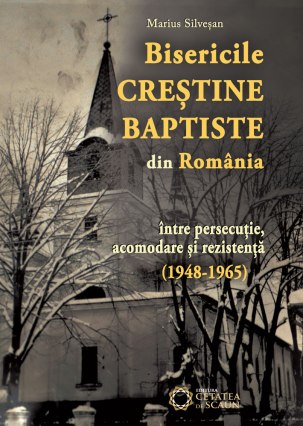 Marius Silveşan, The Baptiste Christian Churches from Romania among persecution, accommodation and resistance (1948-1965), Cetatea de Scaun Publishing Press, Târgovişte, 2012, 410 pages.
Bogdan Emanuel Răduţ
Partajează asta:

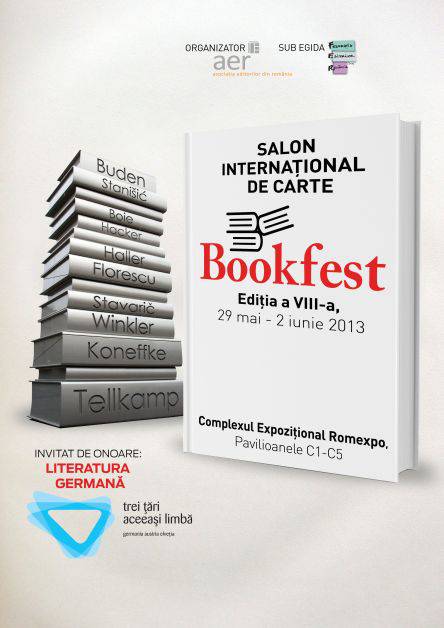

Noaptea Literaturii Europene 2013 la București

Noaptea Literaturii Europene se intoarce la Bucuresti miercuri, 29 mai 2013, intre orele 19:00 si 23:00, de data aceasta fiecare institut cultural desfasurandu-si activitatea intr-un alt spatiu, care de obicei ar fi inaccesibil publicului larg. Printre spatiile selectate se numara sediul Ministerului Agriculturii si Dezvoltarii Rurale, La Scena, Turnul Baratiei, sediul Asociatiei Vanatorilor si Pescarilor.
Desfasurata cu sprijinul Programului European Cultura, editia din 2013 invita publicul sa exploreze cat mai multe din aceste spatii, realizandu-si propriul traseu literar.
British Council isi va desfasura activitatea in cadrul Bursei de Valori Bucuresti si propune schimbarea destinatiei spatiului, pentru o seara, in Bursa de Literatura. Vom citi din Jonathan Coe cu actorulAlexander Mustata (Teatrul National Bucuresti, Compania Passpartout) si pregatim, ca de obicei, materiale interactive si premii pentru cititorii de literatura britanica.
Noaptea Literaturii Europene este un proiect cultural sustinut deReteaua Europeana a Institutelor Nationale de Cultura (EUNIC), care porneste de la premisa ca literatura este un instrument creativ care reflecta dialogul intre culturi care impartasesc aceeasi experienta de lectura. Organizata de Centrul Ceh in colaborare cu EUNIC, Noaptea Literaturii ofera o platforma tarilor din Europa pentru a prezenta noile voci literare intr-o modalitate creativa.
Partajează asta:

Apariții editoriale (12) Cătălin Dupu, Cine știe ce aduc zorile?
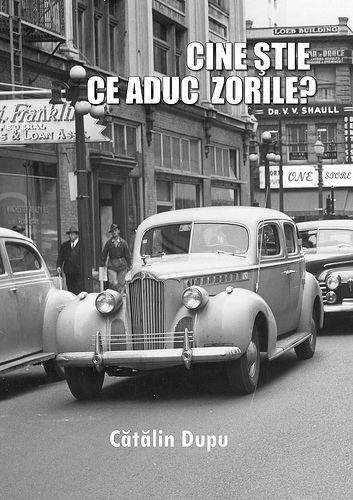
„Cine știe ce aduc zorile?” este a 7-a carte pe care Cătălin Dupu o publică. Ea cuprinde 33 de povestiri și istorii adevărate. Lucrarea a apărut la Editura “Cetare”, Deva. Pana acum autorul a mai publicat: Povestiri din zăpadă, Întâmplări din anul 2000, Amintiri din copilăria vedetelor, Dragoste Crucificată, E-mail-uri către Paradis și De ce bat clopotele de Crăciun (două ediții). Cătălin Dupu a debutat în anul 1999 cu „Povestiri din zăpadă”, eveniment reflectat și de ziarul „Ziua”.
http://evenimentcrestin.blogspot.ro
Partajează asta:

Apariții editoriale (11) Cătălin Dupu, Dragoste Crucificată

DRAGOSTE CRUCIFICATĂ este o lucrare document, 100 pagini, 70 de personaje, piesa de teatru prezintă ultimile 9 zile din viața lui Isus Hristos. Impresionanta piesa se poate juca și pe tablouri, gen Floriile, Răstignirea, Învierea Ea a fost deja montată în mai multe instituții și biserici în formula prezentată mai sus, cea a tablourilor.
Prețul de achiziție – 15 Ron.
http://evenimentcrestin.blogspot.ro/2013/04/cartea-dragoste-crucificata.html
Partajează asta:

Reportaj Radio Vocea Evangheliei (RVE) de la lansarea cărții Bisericile Creștine Baptiste din România 1948-1965
Materialul de față reprezintă materialul realizat de către Radio Vocea Evangheliei București la evenimentul prilejuit de lansarea cărții mele, Bisericile Creștine Baptiste din România între persecuție, acomodare și rezistență 1948-1965
Poze de la lansarea evenimentului găsiți AICI si AICI
Albumul Facebook se poate găsi AICI
Duminică, 14 aprilie 2013, de la ora 15.15 Radio Vocea Evangheliei București a redifuza reportajul realizat cu prilejul lansării cărții Bisericile Creștine Baptiste din România între persecuție, acomodare și rezistență.
Radio Vocea Evangheliei poate fi recepționat în București pe 94,2 Mhz sau pe internet la adresa rve.ro








 Istorie Evanghelica