Ziua Reformei – 31 octombrie 2014

Martin Luther by Lucas Cranach the Elder, paint via wikipedia
Ziua Reformei se sărbătorește pe data de 31 Octombrie a fiecărui an în amintirea Reformei religioase inițiată de Martin Luther în anul 1517.
31 octombrie este sărbătoare națională în Slovenia (de vreme ce Reforma a contribuit profund la dezvoltarea ei culturală, deși slovenii sunt în principal romano-catolici) și în următoarele state germane: Brandenburg, Macklenburg-Pomerania Inferioară, Saxonia, Saxonia-Anhalt și Thuringia. Din 2008, este și sărbătoare națională în Chile.
În 31 Octombrie 1517, Martin Luther a afișat o propunere pe ușa bisericii în Wittenberg, Germania pentru a dezbate doctrina și practica indulgențelor. Această propunere este numită frecvent ca Cele 95 de Teze, pe care el le-a înfipt pe ușile bisericii castelului. Acest gest însă nu a fost un act de sfidare sau provocare cum se crede uneori. De vreme ce biserica din castel era expusă traficului principal din Wittenberg, ușa bisericii funcționa ca și afișier public și, în consecință, era locul pentru afișat anunțuri importante. De asemenea, Tezele erau scrise în Latină, limba folosită de biserică, și nu în limba națională. Chiar și așa, evenimentul a stîrnit controversă între Luther și cei de partea Papei în privința multor practici și doctrine. Cînd Luther și susținătorii lui au fost excomunicați în 1520, s-a format Lutheranismul. Aceasta avea să deschidă ulterior calea către formarea tradițiilor Reformate și Anabaptiste.
În cadrul Bisericii Lutherane, Ziua Reformei este considerată o sărbătoare mai neînsemnată, iar denumirea oficială este Festivalul Reformei. Pînă în secolul XX, cele mai multe biserici Lutherane sărbătoreau Ziua Reformei în 31 Octombrie, indiferent de ziua săptămînii în care se întîmpla să fie. Astăzi, cele mai multe biserici Lutherane au modificat data festivalului, astfel încît să fie în Duminica (numită Duminica Reformei) în sau înainte de 31 Octombrie și au mutat Ziua Tuturor Sfinților în Duminica din sau după 1 Noiembrie.
Culoarea liturgică a zilei este roșul, care reprezintă pe Duhul Sfînt și pe martirii Bisericii Creștine. Imnul lui Luther, Cetate tare-i Dumnezeu este cîntat în mod tradițional în această zi. În mod obișnuit, lutheranii stau în picioare în timpul imnului, în memoria folosirii imnului în războaiele religioase ale secolului al XVI-lea. De asemenea, este tradiție ca în unele școli Lutherane, copiii sa aibă scenete cu Ziua Reformei sau spectacole în care să joace scene din viața lui Martin Luther. Faptul că Ziua Reformei coincide cu Halloween ar putea să nu fie pură coincidență. Halloween, fiind ajunul Zilei Tuturor Sfinților, ar fi putut fi o zi excelentă pentru Luther ca să-și afișeze cele 95 de Teze împotriva indulgențelor, de vreme ce biserica din castel avea să fie deschisă în Ziua Tuturor Sfinților tocmai pentru ca oamenii să vadă o mare colecție de moaște. Vederea acestor moaște ar fi promis o micșorare a timpului petrecut în en purgatoriu similar cu cel al cumpărarii unei indulgențe. Luther a fost perspicace în alegerea zilei de 31 Octombrie pentru afișarea Tezelor sale.
http://ro.wikipedia.org/wiki/Ziua_Reformei
În timp ce Luther era preocupat de modul în care Dumnezeu îl mântuie pe om se confruntă cu problema vânzării indulgențelor, „concept datând încă din secolul al XII-lea, când creștinii bogați au fost scutiți de penitențe pentru păcatele lor dacă acceptau să contribuie cu bani la Cruciade. (…)
Luther era pornit împotriva practicilor unui om pe nume Johann Tetzel, care avea responsabilitatea de a vinde cât mai multe indulgențe în numele prințului Albert de Brandenburg. Prințul, chiar dacă avea doar 23 de ani, a fost episcop de Magdeburg, episcop de Halberstadt și arhiepiscop de Mainz, toate acestea în același timp – o situație neobișnuită, pentru care a trebuit să plătească însemnate sume papei. A convenit cu papa ca o parte din veniturile provenite din vânzarea indulgențelor lui Tetzel să fie considerate “taxele episcopale” ale lui Albert.
Întreaga situaţie ţinea în mod clar de corupţie, de aceea Luther a hotărât că este timpul pentru o dezbatere academică în primul rând pe marginea întrebării dacă este înțelept să se vândă indulgențe. “Voi face o gaură în toba lui”, a spus el când a auzit de Tetzel și a alcătuit o listă de 95 de teze în care ataca indulgențele, teze pe care spera să le discute și cu alți academicieni. De Ziua Tuturor Sufletelor, în 1517, Luther a țintuit lista pe ușa bisericii castelului din Wittenberg care era folosită și ca un fel de avizier al comunității.”
Jonathan Hill, Istoria gândirii creştine, Editura Casa Cărţii, Oradea, 2007, pp. 187-188.
Citește și
Ziua Reformei la București (2011)
Partajează asta:

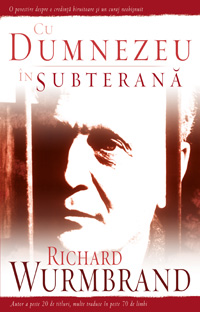
Richard Wurmbrand – Cu Dumnezeu în subterană (Cartea Audio – episoadele 21-29 final)
*
*
*
*
*
*
*
*
Partajează asta:

Richard Wurmbrand – Cu Dumnezeu în subterană (Cartea Audio – episoadele 11-20)
*
*
*
*
*
*
*
*
*
Partajează asta:

Richard Wurmbrand – Cu Dumnezeu în subterană (Cartea Audio – episoadele 7-10)
*
*
*
Partajează asta:

Richard Wurmbrand – Cu Dumnezeu în subterană (Cartea Audio – episoadele 3-6)
*
*
*
Partajează asta:

Richard Wurmbrand – Cu Dumnezeu în subterană (Cartea Audio – episoadele 1-2)
*
Partajează asta:

3 mituri despre calvinism

Mitul #1 „Dogma centrală a calvinismului este predestinarea.”
Mitul #2 „Dacă crezi în predestinare atunci ești calvinist.”
Mitul #3 „Eu sunt calvinist, eu cred x, așadar x este o idee calvinistă.”
http://blog.evanghelicreformat.org
Partajează asta:

9 THINGS YOU SHOULD KNOW ABOUT JOHN CALVIN
JOE CARTER for The Gospel Coalition.org
27 may 2014 marked the 450th anniversary of the death of John Calvin. Here are nine things you should know about the French theologian and Reformer.

1. From an early age, Calvin was a precocious student who excelled at Latin and philosophy. He was prepared to go to study of theology in Paris, when his father decided he should become a lawyer. Calvin spend half a decade at the University of Orleans studying law, a subject he did not love.
2. Calvin wrote his magnum opus, The Institutes of the Christian Religion, at the age of 27 (though he updated the work and published new editions throughout his life). The work was intended as an elementary manual for those who wanted to know something about the evangelical faith—”the whole sum of godliness and whatever it is necessary to know about saving doctrine.”
3. Calvin initially had no interest in being a pastor. While headed to Strasbourg he made a detour in Geneva where he met the local church leader William Farel. Calvin said he was only staying one night, but Farel argued that it was God’s will he remain in the city and become a pastor. When Calvin protested that he was a scholar, not a preacher, Farel swore a great oath that God would curse all Calvin’s studies unless he stayed in Geneva. Calvin later said, „”I felt as if God from heaven had laid his mighty hand upon me to stop me in my course—and I was so terror stricken that I did not continue my journey.”
4. Calvin was a stepfather (he married a widow, Idelette, who had two children) but had no surviving children himself. His only son, Jacques, was born prematurely and survived only briefly. When his wife died he wrote to his friend, Viret:
I have been bereaved of the best friend of my life, of one who, if it has been so ordained, would willingly have shared not only my poverty but also my death. During her life she was the faithful helper of my ministry. From her I never experienced the slightest hindrance.
5. During his ministry in Geneva, Calvin preached over two thousand sermons. He preached twice on Sunday and almost every weekday. His sermons lasted more than an hour and he did not use notes.
6. Around 1553, Calvin began an epistolary relationship with Michael Servetus, a Spanish theologian and physician. Servetus wrote several works with anti-trinitarian views so Calvin sent him a copy of his Institutes as a reply. Servetus promptly returned it, thoroughly annotated with critical observations. Calvin wrote to Servetus, „I neither hate you nor despise you; nor do I wish to persecute you; but I would be as hard as iron when I behold you insulting sound doctrine with so great audacity.” In time their correspondence grew more heated until Calvin ended it.
7. In the 1500s, denying the Trinity was a blasphemy that was considered worthy of death throughout Europe. Because he had written books denying the Trinity and denouncing paedobaptism, Servetus was condemned to death by the French Catholic Inquisition. Servetus escaped from prison in Vienne and fled to Italy, but stopped on the way in Geneva. After he attended a sermon by Calvin, Servetus was arrested by the city authorities. French Inquisitors asked that he be extradited to them for execution, but the officials in Geneva refused and brought him before their own heresy trial. Although Calvin believed Servetus deserving of death on account of what he termed as his „execrable blasphemies”, he wanted the Spaniard to be executed by decapitation as a traitor rather than by fire as a heretic. The Geneva council refused his request and burned Servetus at the stake with what was believed to be the last copy of his book chained to his leg.
8. Within Geneva, Calvin’s main concern was the creation of a collège, an institute for the education of children. Although the school was a single institution, it was divided into two parts: a grammar school called the collège and an advanced school called the académie. Within five years there were 1,200 students in the grammar school and 300 in the advanced school. The collège eventually became the Collège Calvin, one of the college preparatory schools of Geneva, while the académie became the University of Geneva.
9. Calvin worked himself nearly to death. As Christian History notes, when he could not walk the couple of hundred yards to church, he was carried in a chair to preach. When the doctor forbade him to go out in the winter air to the lecture room, he crowded the audience into his bedroom and gave lectures there. To those who would urge him to rest, he asked, „What? Would you have the Lord find me idle when he comes?”
Partajează asta:

Care este scopul principal al vieții umane?
Învățătorul: Care este scopul principal al vieții umane?
Elevul: Este sa-L cunosc pe Dumnezeu.
Învățătorul: De ce spui acest lucru?
Elevul: Deoarece El ne-a creat și ne-a așezat pe pământ
pentru a fi glorificat în noi. Și este cu siguranță un
lucru drept sa ne dedicăm viețile gloriei Sale, de
vreme ce El este începutul ei.
Catehismul de la Geneva, 1541
Sursa: Timothy George, Teologia reformatorilor, Editura Institutului Biblic „Emanuel” din Oradea, 1998, p. 191
Partajează asta:

9 Things You Should Know About the Council of Trent
Yesterday (4 December) marked the 450th anniversary of the closing of the Council of Trent (1545-1563), one of the most significant series of meetings in Christian history. Here are nine things evangelicals should know about the Council and the decrees that it issued:
 1. The Council of Trent was the most important movement of the Catholic Counter-Reformation, the Catholic Church’s first significant reply to the growing Protestants Reformation. The primary purpose of the council was tocondemn and refute the beliefs of the Protestants, such as Martin Luther and John Calvin, and also to make the set of beliefs in Catholicism even clearer.Approximately forty clergymen, mainly Catholic bishops, were in attendance during the twenty-five times over the next eighteen years that the Council convened.
2. Protestants endorse justification by faith alone (sola fide) apart from anything (including good works), a position the Catholic Church condemned as heresy. During the the sixth session, the Council issued a decree saying that, „If any one saith, that the justice received is not preserved and also increased before God through good works; but that the said works are merely the fruits and signs of Justification obtained, but not a cause of the increase thereof; let him be anathema.”
3. The Protestant Reformers rejected the Apocrypha as part of the biblical canon. (The term Apocrypha (Gr., hidden) is a collection of ancient Jewish writings and is the title given to these books, which were written between 300 and 30 B.C., in the era between the Old and New Testaments.) During the the fourth session, the Council issued a decreedamning anyone who rejected these books:
. . . if any one receive not, as sacred and canonical, the said books entire with all their parts, as they have been used to be read in the Catholic Church, and as they are contained in the old Latin vulgate edition; and knowingly and deliberately contemn the traditions aforesaid; let him be anathema.
Many doctrines unique to Catholicism, such as the teachings of purgatory, prayers for the dead, and salvation by works, are found in these books.
4. During the Protestant Reformation, the doctrine of transubstantiation was heavily criticized as an Aristotelian „pseudophilosophy.” The 13th session reaffirmed and defined transubstantiation as „that wonderful and singular conversion of the whole substance of the bread into the Body, and of the whole substance of the wine into the Blood – the species only of the bread and wine remaining – which conversion indeed the Catholic Church most aptly calls Transubstantiation.”
5. Protestants claimed that the only source and norm for the Christian faith was Holy Scripture (the canonical Bible without the Apocrypha). The doctrine of Sola Scripturawas rejected at Trent. The Council affirmed two sources of special revelation: Holy Scripture (e.g., all the books included in the Latin Vulgate version) and traditions of the church (including the „unwritten traditions”).
6. In Catholic theology, an indulgence is a remission of temporal punishment due to sin, the guilt of which has been forgiven. Under Catholic teaching, every sin must be purifiedeither here on earth or after death in a state called purgatory. The selling of indulgences was not part of official Catholic teaching, though in Martin Luther’s era, the practice had become common. (Luther was appalled by the sermon of an indulgence vendor named John Tetzel who said, „As soon as the coin in the coffer rings, the soul from purgatory springs.”) The Council called for the reform of the practice, yet damned those who „say that indulgences are useless or that the Church does not have the power to grant them.”
7. In Catholic theology, purgatory is a place or condition of temporal punishment for those who denied yet were not free from „venial” sins (a lesser sin that does not result in a complete separation from God and eternal damnation in hell). The council affirmed the doctrine of purgatory and damned anyone who claimed „that after the grace of justification has been received the guilt is so remitted and the debt of eternal punishment so blotted out for any repentant sinner, that no debt of temporal punishment remains to be paid.”
8. In the 24 session, the council issued decrees on marriage which affirmed the excellence of celibacy, condemned concubinage, and made the validity of marriage dependent upon the wedding taking place before a priest and two witnesses. In the case of a divorce, the right of the innocent party to marry again was denied so long as the other party was alive, even if the other party had committed adultery.
9. At the request of Pope Gregory XIII, the Council approved a plan to correct the errors to the Julian calendar that would allow for a more consistent and accurate scheduling of the feast of Easter. The reform included reducing the number of leap years in four centuries from 100 to 97. Although Protestant countries in Europe initially refused to adopt the „Gregorian calendar” (also known as the Western or Christian calendar), it eventually became the most widely accepted and used civil calendar in the world.
(Note: The declarations and anathemas of the Council of Trent have never been revoked. The decrees of the Council of Trent are confirmed by both the Second Vatican Council (1962-1965) and the official „Catechism of the Catholic Church” (1992).)







 Istorie Evanghelica