Kent Hill, Executive Director, Religious Freedom Institute la deschiderea anului universitar 2017/2018 la ITBB și FTB
Mesajul domnului Kent Hill, Executive Director, Religious Freedom Institute din Washington DC, la deschiderea anului universitar 2017/2018 la Institutul Teologic Baptist din București și Facultatea de Teologie Baptistă din cadrul Universității București (02.10.2017)
Partajează asta:


Reforma Protestantă 500+. Trecut și viitor : Dezbatere la Biserica Adonai București (8 octombrie 2017)

Reforma protestantă este unul din elementele cruciale din istoria Bisericii creștine. Mișcarea evanghelică modernă, inclusiv cea din România își are o parte din rădăcini, dacă nu chiar întreaga rădăcină din Reforma inițiată de Martin Luther, în 1517.
Biserica Creștină Baptistă Adonai din București vă invită să asistați la o discuție-dezbatere pe tema Reformei. Cu acest prilej, spun organizatorii, ne vom aminti de lucrările lui Dumnezeu în trecut și vom privi la ce urmează pentru noi în viitor.
https://www.facebook.com/biserica.adonai/posts/1419128118199807
Acest eveniment are ca scop evocarea unui moment crucial din istoria modernă a lumii, Reforma Protestantă. Anul 2017 marchează 500 de ani de la acest eveniment, o perioadă care a adus cu sine schimbări în mai multe domenii, inclusiv, sau în primul rând, în cel religios.
Partajează asta:

Tudor Ciornei, Israel și vrăjmașii lui (Psalmul 129)
Partajează asta:
Petru (Pitt) Popovici – 99 de ani
Astăzi, 12 septembrie 2017, fratele Pitt Popovici a împlinit frumoasa vârstă de 99 de ani și a plecat pe 100.
Dumnezeu să-l binecuvinteze.
Iată mai jos o scurtă biografie preluată de pe https://pittpopovici.wordpress.com/
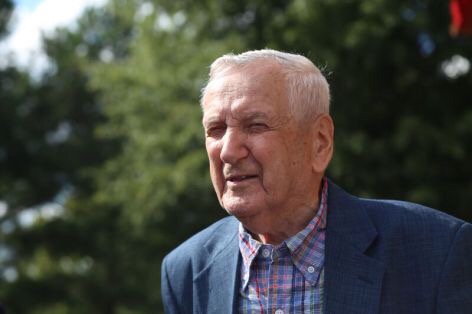
Petru (Pitt) Popovici s-a născut la 12 septembrie 1918, la Harrisburg, Pennsylvania in Statele Unite. În 1921 s-a reintors in Romania împreuna cu frații și părintii sai, Simion si Zana Popovici. A studiat la Seminarul Teologic Baptist din București între anii 1937 – 1940. A păstorit bisericile baptiste Arad-Parneava (1945 – 1953) și Biserica Întaia Timișoara (1953 – 1967).
S-a reintors în Statele Unite în octombrie 1967, împreuna cu familia sa. În SUA a fost pastor sau copastor la bisericile din Chicago, Los Angeles, Sacramento și Atlanta. Programele lui religioase au fost transmise în Romania prin stațiile de radio cu unde scurte: HCJB Quito, Ecuador, TWR Monte Carlo, Monaco, IBRA Radio Lisabona, Portugalia, Radio European Crestin Ravena, Italia, Radio Europe Libera, Germania, Micul Samaritean Chișinau, Republica Moldova; iar pentru aria Los Angeles, Radio KTYM Inglewood, California. Petru Popovici este autorul a peste 40 de cărti și broșuri religioase.

Pitt și Hortensia Popovici în 1945
Căsătorit cu Hortensia Cristea, ei au sărbătorit 70 ani de căsătorie în 2015. În prezent el locuiește în aria Atlanta, Georgia, iar soția acestuia îl așteaptă în prezența Domnului.
Partajează asta:

Cristi Țepeș – evocare acțiuni de rezistență în comunism. Anul 1977
Partajează asta:
Maxima zilei – 11 septembrie 2017
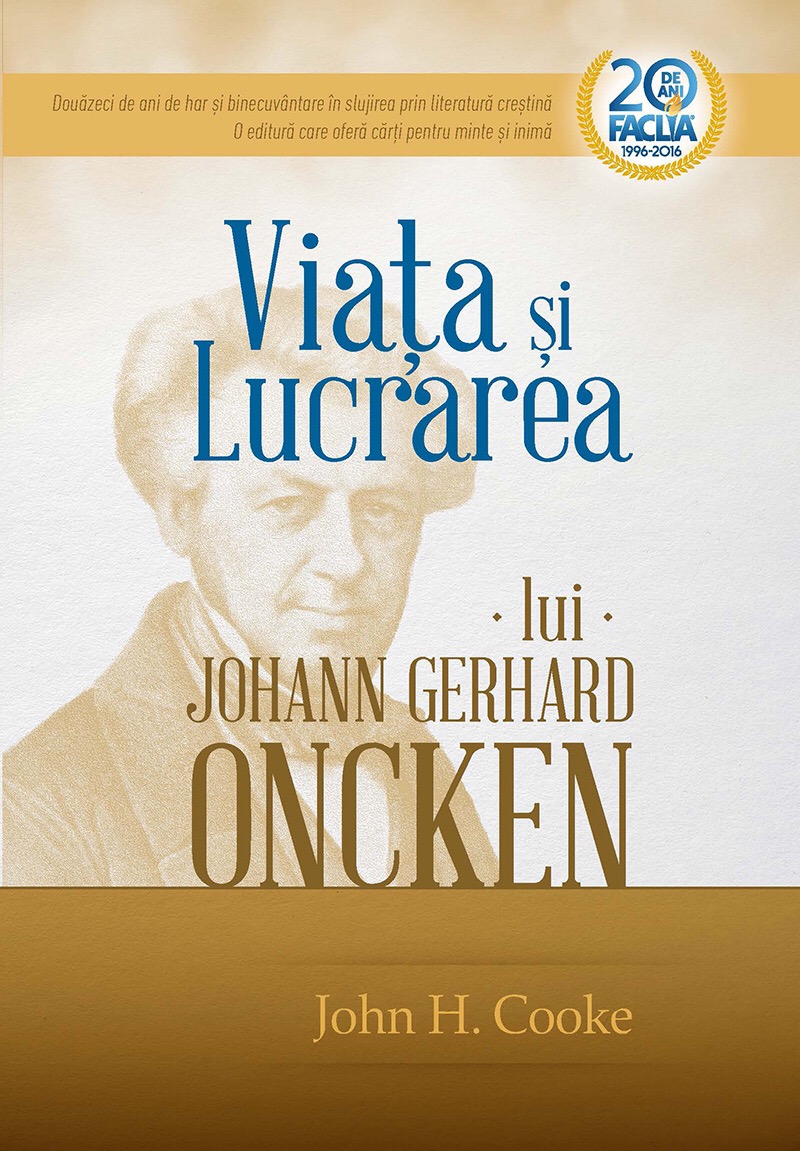
Tuturor ne place să lecturăm povestiri fascinante despre marii oameni ai lui Dumnezeu, dar la foarte puțini ne-ar plăcea să trăim viața pe care au trăit-o ei.
John H. Cooke, Viața și lucrarea lui Johann Gerhard Oncken, traducere din limba engleză de Florin Mermeze, Editura Făclia, Oradea, 2016, p. 15.
Partajează asta:

Resurse despre Constantin Adorian pe Istorie Evanghelica.ro
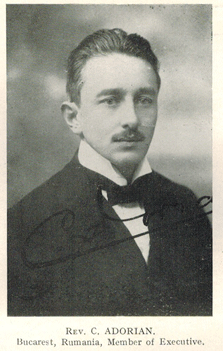
Pe site-ul istorieevanghelica.ro se resăsesc mai multe materiale despre Constantin Adorian, pe care le prezint mai jos în ordinea publicării acestora:
Ordinul secret al Maresalului Antonescu privind deportarea crestinilor evanghelici in Transnistria
Începuturile baptismului modern în România (II)
Începuturile baptismului modern în Romania (III). Constantin Adorian – Evanghelia trece la români
București, 1920 – Proiect : Palatul Evangheliei
Istorie Baptistă: Constantin Adorian – 1882-1954 – primul președinte al baptiștilor din România
Partajează asta:

Istorie Baptistă: Constantin Adorian – 1882-1954 – primul președinte al baptiștilor din România
Constantin Adorian a fost una dintre personalitățile baptiștilor din România în secolul XX, fiind primul președinte al Uniunii Baptiste, păstorul primei biserici baptiste române din Vechiul Regat, primul director al Seminarului Teologic Baptist după mutarea acestuia la București de la Arad în iarna anului 1921.
Am scris despre Adorian în lucrarea despre istoria Bisericilor Creștine Baptiste din România (1948-1965), dar și în alte lucrări, precum cea referitoare la istoria Seminarului Teologic Baptist.
Personalitatea și acțiunile sale merită cunoscute, fiind evidențiate de pastorul Vasile Bel care prezintă acum fragmente din istoria baptistă.
Citește articolul la adresa
https://istoriebaptistablogul.blogspot.ro/2017/09/constantin-adorian-1882-1954-primul.html
Partajează asta:

Istoric strada Berzei

Strada Berzei exista in 1880. Aici, la nr 2, arhitectul Cezare Dell Debbio construia casele C. Dumitrescu si D. Constantin (1880 si 1883). La nr 7 se ridica casa A. Lesseamna, dupa planurile arhitectului A. Schuckerl. Iar la nr 128, inginerul Ion N. Socolescu a construit atelierul, cu dependinte, al pictorului Stoicescu (1885). Strada a fost marginita cu platani, in portiunea care coboara spre Calea Plevnei. Coroanele acestor arbori se unesc in timpul verii si formeaza un adevarat tunel de umbra si racoare. In primul razboi mondial (1916) cateva bombe cad si pe strada Berzei, nu departe de casele cu nr. 49.
Marti, 4 aprilie 1944, primul bombardament american asupra Bucurestilor a izbit si strada Berzei. O bomba a patruns in subsolul casei situata vis a vis de nr. 47 si a ucis persoanele ce se adapostisera acolo.
Istoria acestei strazi asteapta sa fie scrisa din marturiile documentelor, dar si ale unor riverani care traiesc aici de 1-2 generatii. Segmentul ei cel mai valoros este cuprins intre Stirbei Voda si Calea Plevnei. El apartine patrimoniului arhitectonic traditional al urbei.
Acest patrimoniu bucurestean a suferit distrugeri masive in anii 80 prin “Sistematizare”.
http://www.bucurestiivechisinoi.ro/2010/12/salvati-strada-berzei/
Pe strada Berzei la Nr. 29 se află și clădirile Institutului Teologic Baptist din București (fostul Seminar Teologic Baptist) construite în anii 30 ai secolului XX).
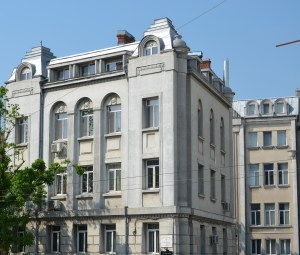
Despre istoria acestei instituții de învățământ am scris în cartea Bisericile Creștine Baptiste din România între persecuție, acomodare și rezistență (1948-1965) și în cadrul articolului „Istoria unei instituții evanghelice: Seminarul Teologic Baptist din România” în volumul Tradiție, istorie, armată. Lucrările Sesiunii Internaționale de Comunicări Științifice „Tradiție, Istorie, Armată”, Ediția a II-a, Constanța, 4-5 iunie 2015, coordonat de Olimpiu Manuel Glodarenco, Editura Muzeului Militar Național „Regele Ferdinand I”, Editura SITECH, Craiova, pp. 323-335.